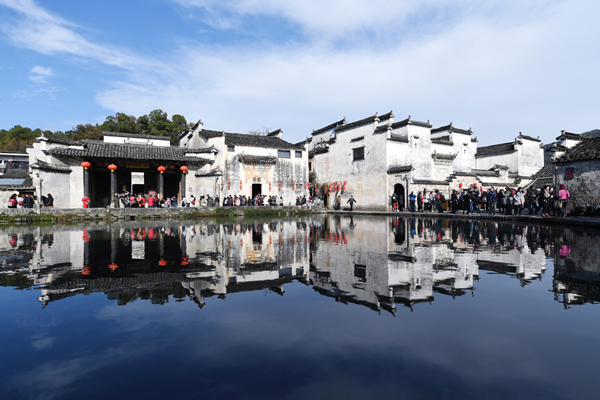
Xidi Village
Overview
Xidi Village is a historically significant and culturally rich site located in Yixian county, Huangshan city, in the eastern province of Anhui, China. Established during the Northern Song Dynasty (960-1127), Xidi boasts over 970 years of history. It is renowned for its well-preserved ancient architecture and its embodiment of Huizhou culture, notable through features such as its iconic memorial archway and ancestral temples. In 2000, it was designated a UNESCO World Heritage Site together with Hongcun Village, further cementing its importance on the global stage.
Architectural Features
Xidi Village is celebrated for its outstanding preservation of rural architecture from the Ming (1368-1644) and Qing (1644-1911) dynasties. The village itself consists of more than 300 residential buildings, primarily constructed during these dynastic periods. The architecture is characterized by its traditional Huizhou style, which includes distinctive features such as white walls, dark tiles, and layered horse-head gables. These structures are designed to blend seamlessly with the natural landscape, often surrounded by rolling hills and ancient woods. The residential buildings often have a simplistic exterior but are richly decorated inside with stone, wood, and brick carvings depicting auspicious symbols and historical narratives.
The interiors typically include open courtyards that allow for natural light and ventilation, reflecting the Huizhou appreciation for daylight and the symbolism of water as wealth.
Historical Significance
Xidi Village's historical significance is deeply rooted in its role as a hub for Huizhou merchants who were influential during the Ming and Qing dynasties. These merchants, known for their trade in salt, wood, and tea, built many of the village's grand residences upon returning home in their later years. The village's historical narrative is also marked by its clan-based social structure, which was a common social organization method in traditional Chinese villages. The memorial archway at the entrance, erected in memory of Hu Wenguang, a local Ming Dynasty official, symbolizes the community's enduring respect for education and public service. The preservation of these structures and the stories they tell reflect the villagers' deep sense of cultural heritage and pride.
Cultural Heritage
Xidi Village is a living repository of Huizhou cultural heritage, encompassing traditional customs, cuisine, and arts. This cultural richness is evident in the village's festivals, local crafts, and culinary traditions that have been passed down through generations. The architectural elements of Xidi serve not only as practical living spaces but also as canvases for cultural expression through intricate carvings and designs. Folk customs, such as the night watch sounding and broadsword dancing, continue to be practiced and have been adapted to serve as cultural demonstrations for tourists. This blend of tangible and intangible cultural heritage makes Xidi an ideal destination for those seeking to explore traditional Chinese village life.
Community Preservation
The preservation of Xidi Village is a testament to the community's commitment to maintaining its historical and cultural integrity. Residents have long been involved in the conservation efforts, ensuring that the traditional Huizhou architecture remains intact. This dedication is reflected in the strict regulations for any renovations, which must adhere to preserving the main structure and external appearance of historical buildings. The involvement of the local government, tourism companies, and the community in managing the village's tourism has not only provided economic benefits but also fostered a greater awareness of cultural conservation among residents. The tourism boom has reinvigorated the village, with many locals returning to engage in the tourism industry, further contributing to its preservation.
Modern Tourism Development
Modern tourism has significantly impacted Xidi Village, breathing new life into this ancient community. The influx of visitors has provided economic opportunities for residents, who have opened homestays, cafes, and shops to cater to tourists. Young entrepreneurs, inspired by the village's rich cultural resources, have introduced modern business ideas that complement the traditional environment. The village has seen a substantial increase in tourism, with thousands of visitors from China and abroad. Online virtual tours have also gained popularity, allowing wider audiences to experience Xidi’s cultural and natural beauty. This modern approach to tourism has been crucial in promoting Xidi on the global stage while still respecting and preserving its historical essence. Article reference1. Honored rural areas receive boost in visitors. en.chinaculture.org. 20242. Huizhou heritage comes to life. en.chinaculture.org. 20223. Ancient Villages in southern Anhui - Xidi and Hongcun. chinadaily.com.cn. 2018Photo Gallery(4 pictures)CategoriesCultural HeritageTagWorld Heritage in ChinaRural TourismHistorical and Cultural Town and VillageWorld HeritageRelatedLongchuan Senic Area, XuanchengHongcun VillageCatalogue1. Overview2. Architectural Features3. Historical Significance4. Cultural Heritage5. Community Preservation6. Modern Tourism Development- - - []








